


17 Feb Mouthwash Mistakes That Could Be Hurting Your Oral Health in Oklahoma City, OK
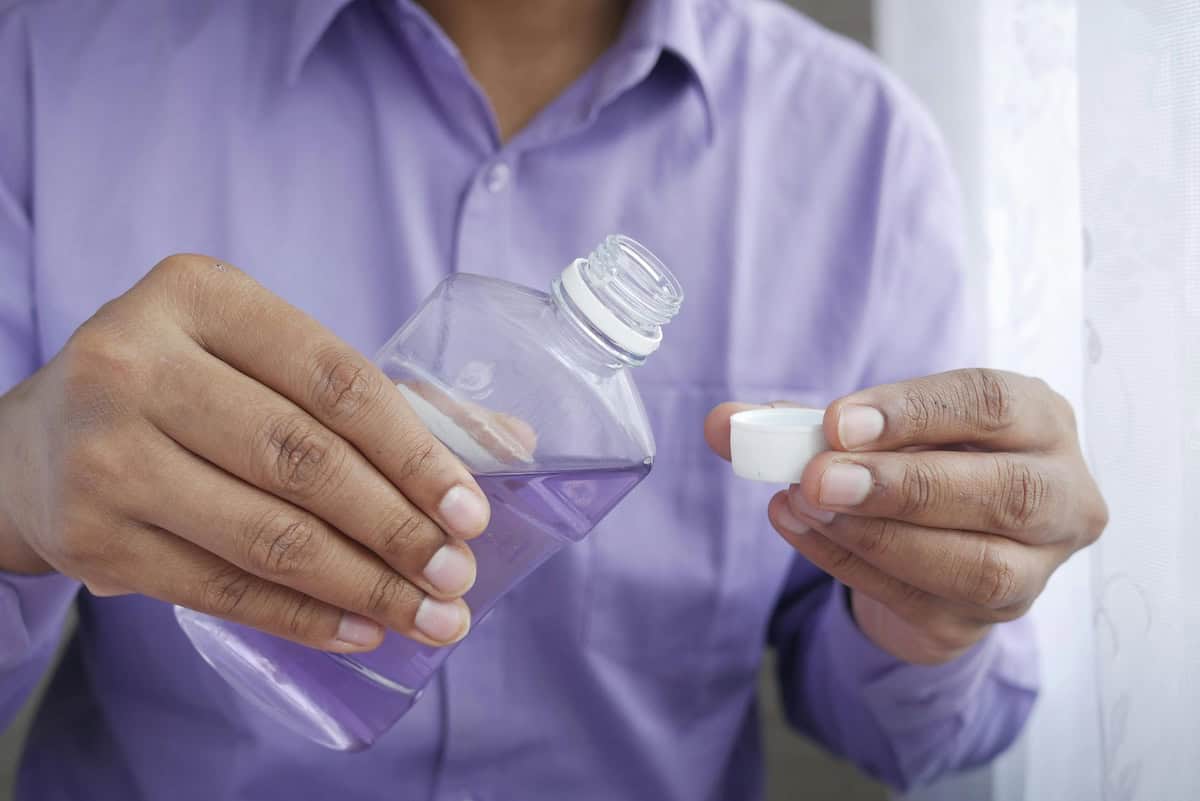
Mouthwash seems simple enough. You pour, you swish, you spit, and you walk away feeling fresh and confident. But while mouthwash can absolutely support a healthy smile, using it incorrectly (or choosing the wrong type) can actually do more harm than good.
Many people assume mouthwash is a quick fix for bad breath or even a replacement for brushing. In reality, it’s meant to be a supporting player in your oral care routine – not the star of the show.
If you use mouthwash regularly, here are the most common mistakes that could be hurting your oral health—and what to do instead.
Mistake #1: Using Mouthwash Instead of Brushing and Flossing
Let’s start with the biggest misconception. Mouthwash does not replace brushing and flossing. While it can reduce bacteria and freshen breath, it does not physically remove plaque or food particles stuck between teeth. Only brushing and flossing can effectively disrupt plaque buildup.
When mouthwash becomes a substitute rather than a supplement, plaque continues to accumulate. Over time, this can lead to cavities, gum inflammation, and even periodontal disease.
The fix:
Brush twice daily with fluoride toothpaste, floss once a day, and use mouthwash as an added layer of protection—not a shortcut.
Mistake #2: Choosing the Wrong Type of Mouthwash
Not all mouthwashes are created equal. There are cosmetic mouthwashes designed to temporarily freshen breath and therapeutic mouthwashes formulated to reduce plaque, strengthen enamel, or treat gum disease. If you’re using a cosmetic rinse but expecting therapeutic results, you may not be getting the protection you think you are.
For example:
- If you’re cavity-prone, you may benefit from a fluoride mouthwash.
- If you struggle with gingivitis, an antibacterial rinse may be more appropriate.
- If you have dry mouth, alcohol-based rinses could make symptoms worse.
The fix:
Choose a mouthwash that matches your specific oral health needs. If you’re unsure, ask your dental provider for recommendations.
Mistake #3: Using Alcohol-Based Mouthwash Too Frequently
Alcohol-based mouthwashes can create that intense “clean” feeling, but they can also dry out your mouth. And dry mouth is more than just uncomfortable; it increases your risk of cavities and gum disease.
Saliva plays a crucial role in oral health. It neutralizes acids, washes away food particles, and helps remineralize enamel. When you reduce saliva flow, harmful bacteria have an easier time thriving. If you’re already prone to dry mouth, using alcohol-based mouthwash daily may be working against you.
The fix:
Switch to an alcohol-free formula if you experience dryness, irritation, or sensitivity. You’ll still get bacteria-fighting benefits without compromising moisture.
Mistake #4: Rinsing Immediately After Brushing
This one surprises a lot of people. If you brush with fluoride toothpaste and immediately rinse with mouthwash – especially one that doesn’t contain fluoride – you may be washing away the concentrated fluoride left behind by your toothpaste.
Fluoride works best when it remains on your teeth for a period of time after brushing. Rinsing too soon can reduce its effectiveness.
The fix:
After brushing at night, consider spitting out excess toothpaste but skipping a rinse with water. If you use mouthwash, try using it at a different time of day than brushing or use a fluoride rinse recommended by your dentist.

Mistake #5: Overusing Mouthwash
More is not always better. Using mouthwash multiple times per day without professional guidance can disrupt the natural balance of bacteria in your mouth.
While reducing harmful bacteria is good, completely stripping your mouth of protective bacteria can lead to an imbalance. Some studies suggest that overuse of strong antibacterial rinses may alter your oral microbiome in ways that aren’t beneficial long term.
The fix:
Follow the instructions on the label and avoid excessive use. For most people, once daily is sufficient unless directed otherwise by a dental professional.
Mistake #6: Using Mouthwash to Mask Chronic Bad Breath
If you constantly rely on mouthwash to control bad breath, you may be masking an underlying issue.
Persistent bad breath (halitosis) can be caused by:
- Gum disease
- Tooth decay
- Dry mouth
- Buildup on the tongue
- Certain medical conditions
Mouthwash may temporarily cover odors, but it won’t address the root cause.
The fix:
If bad breath persists despite good hygiene habits, schedule a dental evaluation. Identifying and treating the source is far more effective than covering it up.
Mistake #7: Not Following the Timing Instructions
Many people swish for just a few seconds before spitting. However, most therapeutic mouthwashes require 30–60 seconds of rinsing to be effective.
Additionally, some rinses recommend avoiding food or drinks for 30 minutes afterward to allow active ingredients to work properly. Ignoring these directions can significantly reduce the product’s effectiveness.
The fix:
Read and follow the instructions carefully. Proper timing ensures you’re getting the full benefit of the product.
Mistake #8: Giving Adult Mouthwash to Children
Children have different oral health needs than adults. Some mouthwashes contain high levels of fluoride or alcohol that are not appropriate for young users. Additionally, younger children may accidentally swallow mouthwash, which can be harmful in larger amounts.
The fix:
Only give children mouthwash if recommended by their dentist, and choose a child-specific formula that is age-appropriate.
Mistake #9: Ignoring Sensitivity or Irritation
If your mouthwash burns excessively, causes peeling tissue, or increases sensitivity, that’s not something to ignore. Irritation can signal that the formula is too strong for your oral tissues. Continuing to use it despite discomfort can lead to inflammation or tissue damage.
The fix:
Switch to a gentler, alcohol-free formula designed for sensitive mouths. If irritation continues, consult your dentist to rule out underlying issues.
Mistake #10: Believing “Stronger” Means Better
That powerful, minty burn might feel satisfying, but intensity doesn’t always equal effectiveness. Some of the most effective mouthwashes are formulated to be gentle while still targeting bacteria, plaque, or enamel protection. The sensation of burning often comes from alcohol content, not necessarily increased therapeutic power.
The fix:
Focus on ingredients and intended benefits rather than the strength of the sensation.
How to Use Mouthwash the Right Way
When used correctly, mouthwash can absolutely enhance your oral care routine. Here’s a simple guideline:
- Brush twice daily with fluoride toothpaste.
- Floss once daily.
- Use a dentist-recommended mouthwash once per day (unless instructed otherwise).
- Swish for the full recommended time.
- Avoid eating or drinking immediately after rinsing.
Consistency and balance are key.
When Mouthwash Is Especially Helpful
Mouthwash can be particularly beneficial if you:
- Are prone to cavities
- Have early signs of gingivitis
- Wear braces or dental appliances
- Experience dry mouth (with the right formula)
- Have difficulty reaching certain areas while brushing
In these situations, the right rinse can provide added protection and support. It can reach areas that toothbrush bristles may miss, helping reduce bacteria in hard-to-clean spaces.
A therapeutic formula can also strengthen enamel and soothe irritated gums, giving your daily routine an extra layer of defense. When used consistently and correctly, mouthwash can enhance, not replace, your overall oral care efforts.
What to Look for in a Good Mouthwash
When choosing a mouthwash, focus on ingredients and purpose rather than just flavor or intensity. Look for fluoride if you’re prone to cavities, antibacterial ingredients to help reduce plaque and gingivitis, and alcohol-free formulas to prevent dryness and irritation.
If you have sensitive teeth, choose a gentle rinse designed to support enamel without causing discomfort. Most importantly, select a mouthwash that addresses your specific oral health needs and is approved or recommended by dental professionals for safe, effective daily use.
The Bottom Line: Mouthwash Is a Tool, Not a Cure
Mouthwash can be a powerful addition to your oral hygiene routine – but only when used properly. It’s not a replacement for brushing, flossing, or regular dental visits. And it’s certainly not a one-size-fits-all solution.
If you’re unsure which mouthwash is best for your needs, or whether you should be using one at all, talk to your dental provider. Personalized guidance can help you avoid common mistakes and build a routine that truly protects your smile.
Fresh breath is great. But a healthy mouth? That’s even better. Make sure your mouthwash is helping, not hurting, your oral health.

Sorry, the comment form is closed at this time.