


19 Jun Early Signs of Tooth Decay You Should Never Ignore in Oklahoma City, OK
Tooth decay is one of the most common oral health problems, yet it often develops quietly. In its earliest stages, cavities may cause little to no discomfort, making them easy to overlook. Unfortunately, waiting until a tooth hurts usually means the decay has already progressed and may require more extensive treatment.
The good news is that tooth decay is highly treatable when caught early. Recognizing the warning signs and scheduling regular dental exams can help preserve your natural teeth, prevent unnecessary discomfort, and reduce the need for more complex procedures.
In this article, we’ll discuss the early signs of tooth decay, what causes cavities, how dentists detect them, and the best ways to keep your smile healthy for years to come.
What Is Tooth Decay?
Tooth decay occurs when bacteria in the mouth feed on sugars and carbohydrates left behind after eating or drinking. As these bacteria digest food particles, they produce acids that gradually wear away the tooth’s protective enamel.
Over time, this acid attack creates weak spots in the enamel. If left untreated, these areas develop into cavities that continue to grow deeper into the tooth. The progression of tooth decay typically follows these stages:
- Demineralization of enamel
- Enamel decay
- Dentin decay
- Infection of the tooth pulp
- Abscess formation or tooth loss
Because decay develops gradually, identifying it in the early stages offers the best chance to stop or even reverse some damage before a cavity fully forms.
1. Tooth Sensitivity
One of the earliest and most common signs of tooth decay is increased tooth sensitivity. If you suddenly notice discomfort when consuming:
- Ice cream
- Cold drinks
- Hot coffee or tea
- Sweet foods
- Acidic beverages
…it could indicate that enamel has begun to weaken. As enamel thins, the underlying dentin becomes more exposed. Dentin contains microscopic tubules that connect directly to the nerve inside your tooth, making it much more sensitive to temperature changes and certain foods.
While sensitivity can have several causes, including worn enamel or gum recession, it should never be ignored if it persists or worsens over time.
2. White or Brown Spots on Your Teeth
Not every cavity begins as a hole. In many cases, the first visible sign of decay is a chalky white spot on the enamel. These white spots indicate early mineral loss caused by acid exposure. As decay progresses, the area may turn:
- Yellow
- Brown
- Black
These discolorations often signal that enamel has weakened and bacteria have penetrated deeper into the tooth. Catching these changes early may allow your dentist to strengthen the enamel with fluoride treatments before a cavity becomes more extensive.
3. Persistent Bad Breath
Everyone experiences bad breath occasionally, especially after eating certain foods. However, chronic bad breath that doesn’t improve with brushing or mouthwash may indicate an underlying dental issue. Cavities create small spaces where bacteria thrive. As bacteria multiply, they produce unpleasant odors that contribute to persistent bad breath.
If you notice ongoing bad breath despite maintaining good oral hygiene, it’s worth scheduling a dental examination to rule out tooth decay or gum disease. Addressing the underlying cause is far more effective than simply masking the odor.
4. Mild Tooth Pain
Pain doesn’t always arrive suddenly. Early decay often begins as a dull ache or occasional discomfort while chewing. You may notice:
- Brief pain when biting down
- Tenderness in one specific tooth
- Intermittent aching that comes and goes
Many people dismiss these symptoms because they are not severe. However, mild discomfort often indicates that decay has already moved beyond the enamel and into the softer dentin layer. Seeking treatment at this stage can help prevent the need for more extensive procedures later.

5. Food Frequently Gets Stuck Between Certain Teeth
If food consistently catches in the same location, there may be more going on than a simple gap between teeth. As cavities develop, they can create rough edges or small openings that trap food particles more easily. Over time, this trapped debris feeds bacteria and accelerates further decay. Flossing may temporarily remove the food, but if the problem continues in the same spot, your dentist should evaluate the area.
6. Visible Holes or Pits
One of the more recognizable signs of tooth decay is the appearance of a visible hole or pit in a tooth. You may notice:
- Small dark openings
- Rough surfaces
- Tiny indentations
- Areas where your tongue catches unexpectedly
By the time a cavity becomes visible, professional treatment is typically necessary. Fortunately, treating a small cavity is usually much simpler than waiting until the damage reaches the inner tooth.
7. Bleeding or Irritated Gums Near One Tooth
Although bleeding gums are often associated with gum disease, localized irritation around one tooth can sometimes result from decay. When bacteria accumulate around a decayed tooth, nearby gum tissue may become:
- Red
- Swollen
- Tender
- More likely to bleed while brushing or flossing
Persistent inflammation in one area should always be evaluated, as it may indicate a hidden cavity or other dental concern. Treating the source of the irritation can help restore both gum and tooth health.
Risk Factors for Tooth Decay
Anyone can develop cavities, but certain habits and conditions increase your risk. Common risk factors include:
- Poor oral hygiene
- Frequent snacking
- Sugary drinks
- Dry mouth
- Acid reflux
- Smoking or tobacco use
- Teeth grinding
- Deep grooves in molars
- Infrequent dental cleanings
Certain medications can also reduce saliva production, making it more difficult for your mouth to naturally wash away bacteria and neutralize harmful acids. Saliva plays an essential role in protecting enamel and preventing decay.
How Dentists Detect Tooth Decay Early
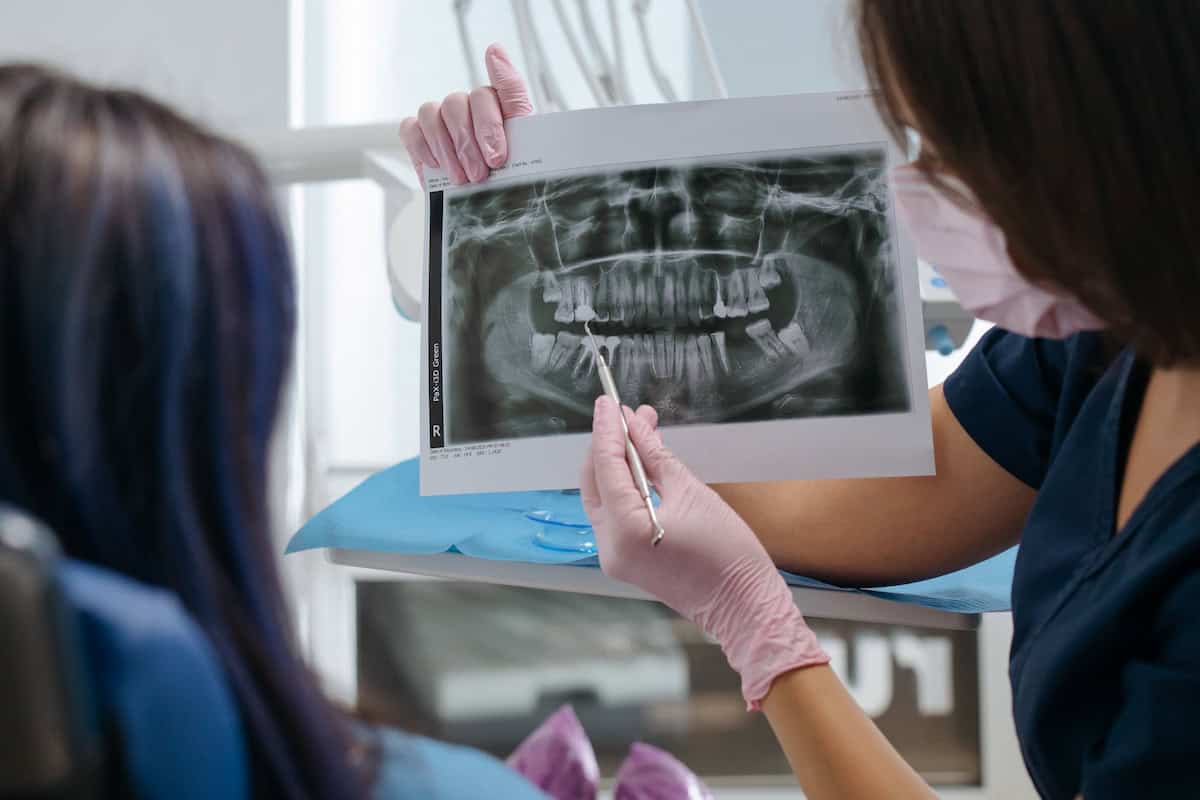
Many cavities begin in areas that cannot be seen in the mirror. During routine dental exams, your dentist may use:
- Visual examination
- Dental explorers
- Digital X-rays
- Intraoral cameras
- Laser cavity detection technology (when available)
Can Early Tooth Decay Be Reversed?
The earliest stage of enamel demineralization can often be stopped—or even partially reversed—with proper care. Your dentist may recommend:
- Professional fluoride treatments
- Prescription fluoride toothpaste
- Improved brushing and flossing habits
- Reducing sugary snacks and drinks
- Drinking more water
- Using products that help strengthen enamel

How to Prevent Tooth Decay
The best treatment for tooth decay is prevention. Here are several habits that can significantly reduce your risk:
Brush Twice Daily
Use a soft-bristled toothbrush and fluoride toothpaste for two full minutes every morning and night. Gentle, thorough brushing removes plaque without damaging enamel or gums.
Floss Every Day
Flossing cleans the spaces between teeth where toothbrush bristles cannot reach. This helps remove plaque before it hardens into tartar.
Limit Sugary Foods and Drinks
Sugar fuels the bacteria responsible for cavities. Reducing sugary snacks, sodas, sports drinks, and sticky candies helps protect your enamel throughout the day.
Drink Plenty of Water
Water rinses away food particles, stimulates saliva production, and helps neutralize acids after meals. Choosing water instead of sugary beverages is one of the simplest ways to support your oral health.
Visit Your Dentist Regularly
Routine cleanings and exams allow your dental team to remove hardened plaque and identify problems before they become larger, more expensive issues. Most patients benefit from visiting the dentist every six months, though some may require more frequent care based on their individual needs.
When to Schedule a Dental Appointment
You should contact your dentist if you notice:
- Ongoing tooth sensitivity
- Persistent bad breath
- Tooth pain or pressure
- White, brown, or black spots on teeth
- Visible holes or pits
- Food is constantly getting trapped in one area
- Swollen or bleeding gums near a specific tooth
Even if your symptoms seem minor, early evaluation can often prevent more extensive treatment later. Prompt care not only protects your teeth but can also save time, discomfort, and expense in the future.
Protect Your Smile by Catching Problems Early
Tooth decay rarely happens overnight. It develops gradually, often giving subtle warning signs before becoming painful or causing significant damage. Paying attention to changes like sensitivity, discoloration, or persistent bad breath can help you catch problems while they’re still easy to treat.
Noticed any of these warning signs? Don’t wait for the pain to get worse. Schedule an exam with Dentistry for You OKC and catch problems while they’re still easy to treat.
Frequently Asked Questions
What is the earliest sign of tooth decay?
Increased tooth sensitivity to cold, hot, sweet, or acidic foods is often one of the first and most common signs that enamel has begun to weaken.
What do white or brown spots on teeth mean?
White spots typically indicate early mineral loss from acid exposure, and as decay progresses, these areas may darken to yellow, brown, or black.
Can tooth decay cause bad breath?
Yes, cavities create small spaces where bacteria thrive, and as bacteria multiply they can produce odors that contribute to persistent bad breath.
Can early tooth decay be reversed?
The earliest stage of enamel demineralization can sometimes be stopped or partially reversed with fluoride treatments and improved oral hygiene, though once a cavity fully forms, the damaged area cannot regenerate naturally.
How do dentists detect cavities that aren’t visible in the mirror?
Dentists commonly use visual examination, dental explorers, digital X-rays, intraoral cameras, and sometimes laser cavity detection technology to identify decay in its early stages.

Sorry, the comment form is closed at this time.