


23 Jul How Swimming in Chlorinated Pools Can Affect Your Teeth
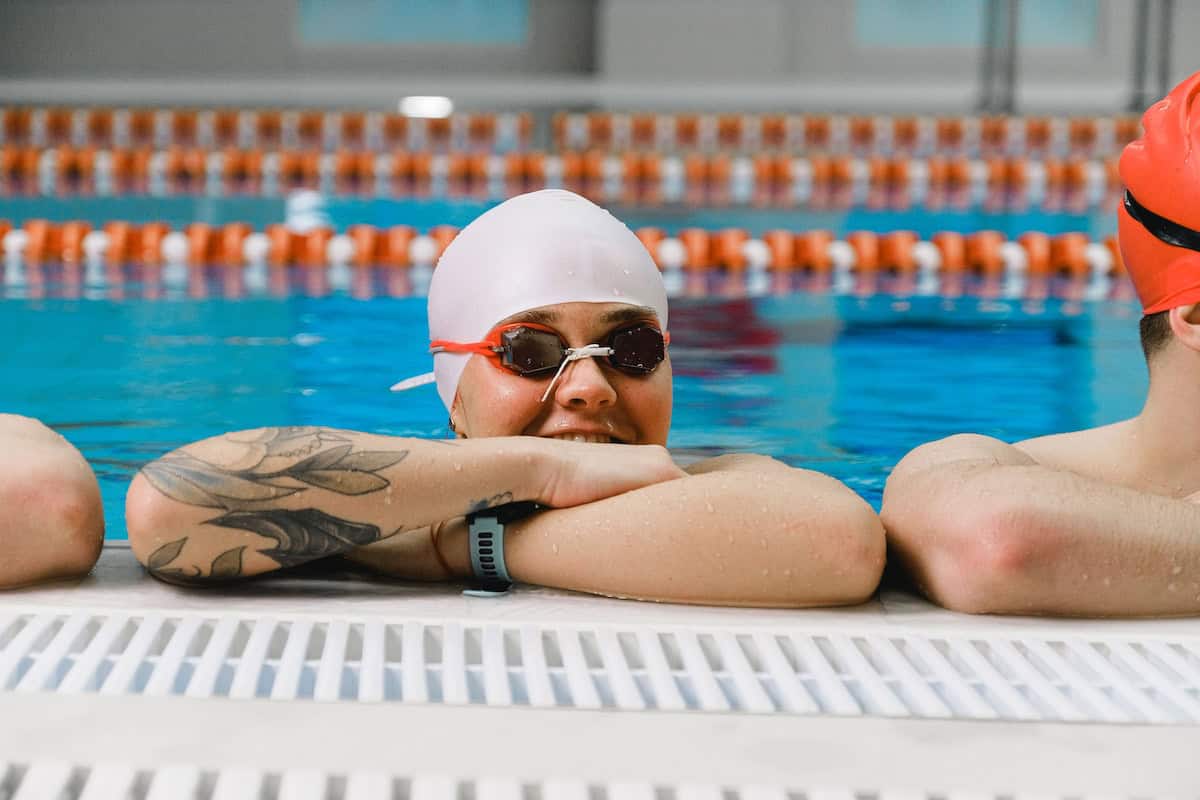
Swimming is one of the best ways to stay active during the summer months. It’s a fun, low-impact exercise that the whole family can enjoy—but spending a lot of time in chlorinated pools may affect your oral health in ways you might not expect.
While properly maintained pools are generally safe, frequent exposure to chlorinated water can contribute to dental concerns like enamel erosion, tooth sensitivity, and staining. Competitive swimmers and people who spend several hours a week in the pool may be especially likely to notice these effects.
Understanding how pool chemicals interact with your teeth can help you enjoy your favorite summer activity while taking simple steps to protect your smile.
Can Chlorinated Pool Water Damage Your Teeth?
Chlorine is added to swimming pools to keep the water clean and reduce harmful bacteria. However, chlorine can also affect the pH balance of pool water.
When pool water becomes too acidic, it can create an environment where enamel—the protective outer layer of your teeth—begins to weaken. This process is known as enamel erosion.
Your enamel is designed to protect the sensitive inner layers of your teeth, but it does not regenerate once it is lost. Over time, repeated exposure to acidic pool water may contribute to:
- Tooth sensitivity
- Increased risk of cavities
- Changes in tooth appearance
- Greater vulnerability to enamel damage
For most casual swimmers, occasional pool exposure is unlikely to cause noticeable problems. However, frequent swimming in poorly balanced pools can increase the risk of dental issues.

How Pool Water pH Affects Your Teeth
The pH level of a substance determines whether it is acidic, neutral, or alkaline. Your mouth naturally maintains a balanced pH, but acidic environments can weaken tooth enamel.
Ideally, swimming pool water should be carefully monitored and maintained within a safe pH range. When pH levels drop too low, the water becomes more acidic and can contribute to enamel softening.
Swimmers who regularly spend hours in the pool may experience more exposure to this acidic environment, especially if:
- The pool chemistry is not properly maintained
- They swim frequently throughout the week
- They spend extended periods underwater
- They frequently open their mouths while swimming
The longer and more often teeth are exposed to acidic conditions, the greater the potential impact on enamel.
Tooth Sensitivity After Swimming
One of the most common complaints among frequent swimmers is increased tooth sensitivity. When enamel becomes thinner, the layer underneath called dentin becomes more exposed. Dentin contains tiny pathways that connect to the nerves inside your teeth, making them more reactive to temperature changes.
You may notice sensitivity when:
- Drinking cold beverages
- Eating ice cream
- Breathing in cold air
- Consuming hot foods or drinks
If you notice sensitivity after spending more time in the pool, it does not necessarily mean swimming is the only cause. Tooth sensitivity can also result from cavities, gum recession, teeth grinding, or brushing too aggressively. However, frequent exposure to acidic pool water can be one factor that contributes to enamel wear.
Swimmer’s Calculus: How Pools Can Affect Tooth Appearance
Some frequent swimmers experience a condition commonly referred to as “swimmer’s calculus.” This occurs when repeated exposure to chemically treated pool water contributes to mineral deposits building up on teeth. Swimmer’s calculus can appear as:
- Yellow or brown stains
- Rough buildup on teeth
- Discoloration that does not improve with brushing
This is more commonly seen in competitive swimmers or individuals who spend many hours each week in chlorinated pools. Professional dental cleanings can remove hardened buildup and help restore a cleaner, healthier appearance to your smile.
Does Swimming Cause Cavities?
Swimming itself does not directly cause cavities. However, certain conditions associated with frequent swimming may increase your risk. For example, swimmers may experience:
Reduced Saliva Protection
Saliva plays an important role in protecting teeth. It helps wash away food particles, neutralize acids, and provide minerals that strengthen enamel.
Spending long periods in the pool—especially if you are not drinking enough water—can contribute to dry mouth. A dry mouth allows bacteria to grow more easily, increasing the risk of plaque buildup.
Frequent Sports Drinks or Snacks
Many swimmers, especially athletes, consume sports drinks, energy bars, or carbohydrate-heavy snacks for fuel. While these can provide energy, frequent exposure to sugars and acids can increase cavity risk.
Poor Hydration Habits
Swimming may not feel like a sweaty activity, but your body still loses fluids during exercise. Not drinking enough water can reduce saliva production and make it harder for your mouth to naturally protect your teeth.
How to Protect Your Teeth While Swimming
The good news is that you do not need to avoid swimming to maintain a healthy smile. A few simple habits can help reduce the impact of chlorine exposure.
Rinse Your Mouth With Fresh Water
After swimming, rinse your mouth with clean drinking water. This helps remove pool chemicals and reduces the amount of time your teeth are exposed to chlorinated water.
Stay Hydrated
Drink plenty of water before, during, and after swimming. Staying hydrated supports saliva production, which naturally helps protect your teeth.
Avoid Drinking Pool Water
While swallowing a small amount occasionally is common, try to avoid intentionally drinking pool water. Chlorinated water can contribute to dry mouth and expose your teeth to unnecessary chemicals.
Maintain Your Regular Oral Hygiene Routine
Continue brushing twice daily with fluoride toothpaste and flossing once a day. These habits help strengthen enamel and remove plaque that can contribute to decay.
Wait Before Brushing After Acid Exposure
If you have been swimming in a pool with low pH levels, your enamel may temporarily be softer. Brushing immediately after acidic exposure can potentially contribute to additional wear. Instead, rinse with water and wait before brushing.
Are Some Swimmers More at Risk?
While anyone who swims can experience the effects of pool chemicals, certain people may be more likely to notice changes. Those at higher risk include:
- Competitive swimmers
- Swim instructors
- Lifeguards
- People who swim several times per week
- Individuals with existing enamel erosion or sensitivity
Children who spend many hours in the pool may also benefit from extra attention to oral hygiene habits, especially because developing teeth can be more vulnerable to damage.

Signs Your Teeth May Need Attention
If you frequently swim and notice changes in your smile, it may be time to schedule a dental visit.
Watch for signs like:
- Increased sensitivity
- Yellowing or staining
- Rough spots on teeth
- Tooth discomfort when eating or drinking
- Changes in how your teeth feel
Your dentist can evaluate your enamel health, identify early signs of wear, and recommend ways to protect your smile.
The Importance of Regular Dental Checkups for Swimmers
Routine dental exams are important for everyone, but they can be especially helpful for people who spend a lot of time in chlorinated pools. During a dental visit, your dentist can:
- Check for enamel erosion
- Look for early signs of cavities
- Monitor tooth sensitivity
- Remove mineral buildup
- Recommend products to strengthen enamel
Keep Your Smile Healthy All Summer Long
Swimming is a great way to stay healthy, have fun, and enjoy the warmer months. While chlorinated pools can affect your teeth when exposure is frequent, a few simple precautions can help protect your smile.
Staying hydrated, maintaining good oral hygiene, rinsing after swimming, and keeping up with regular dental visits all play an important role in preventing enamel damage and sensitivity.
You do not have to choose between enjoying the pool and protecting your teeth. With the right habits, you can make a splash all summer while keeping your smile strong and healthy.
Noticing changes in your smile after a summer of swimming? Dentistry For You OKC can help check for enamel wear and keep your teeth healthy all season.
Frequently Asked Questions
Can chlorinated pool water damage teeth?
Yes, when pool water becomes too acidic, it can weaken enamel over time, a process known as enamel erosion, which does not regenerate once it occurs.
Why do teeth feel sensitive after swimming?
When enamel becomes thinner, the underlying layer called dentin becomes more exposed, which contains pathways connected to tooth nerves that react more easily to temperature changes.
What is swimmer’s calculus?
Swimmer’s calculus refers to mineral deposits that build up on teeth from repeated exposure to chemically treated pool water, often appearing as yellow or brown stains and rough buildup.
Does swimming directly cause cavities?
Swimming itself does not directly cause cavities, but reduced saliva production from dehydration and frequent consumption of sports drinks or sugary snacks can increase cavity risk.
How can swimmers protect their teeth from pool chemicals?
Helpful habits include rinsing the mouth with fresh water after swimming, staying hydrated, avoiding drinking pool water, maintaining a regular oral hygiene routine, and waiting before brushing after acid exposure.

Sorry, the comment form is closed at this time.