

07 Jul What Can I Eat After Getting a Tooth Pulled? A Day-by-Day Guide in Oklahoma City, OK
One of the most common questions our patients ask is, “What can I eat after getting a tooth pulled?” and the honest answer is that the first few days call for soft, cool, and gentle foods while the socket begins to heal. After an extraction, your body forms a protective blood clot in the empty socket, and everything you eat and drink for the next week either protects that clot or puts it at risk. Choose the right foods and you will heal comfortably. Choose the wrong ones and you could slow your recovery or trigger a painful complication. This guide walks you through exactly what to eat, what to skip, and when you can return to normal meals.
Why the First Few Days Matter So Much
The blood clot that forms in your socket is the foundation of healing. It shields the underlying bone and nerve endings and gives new tissue a place to grow. If that clot is dislodged too early, the bone becomes exposed and you can develop a painful condition called dry socket, which often shows up two to three days after the procedure. Hard, crunchy, or chewy foods can disturb the clot, and so can the suction from a straw. That is why the safest approach is to keep meals soft and lukewarm at first, then slowly reintroduce firmer textures as the area closes.
What Can I Eat After Getting a Tooth Pulled in the First 24 Hours?
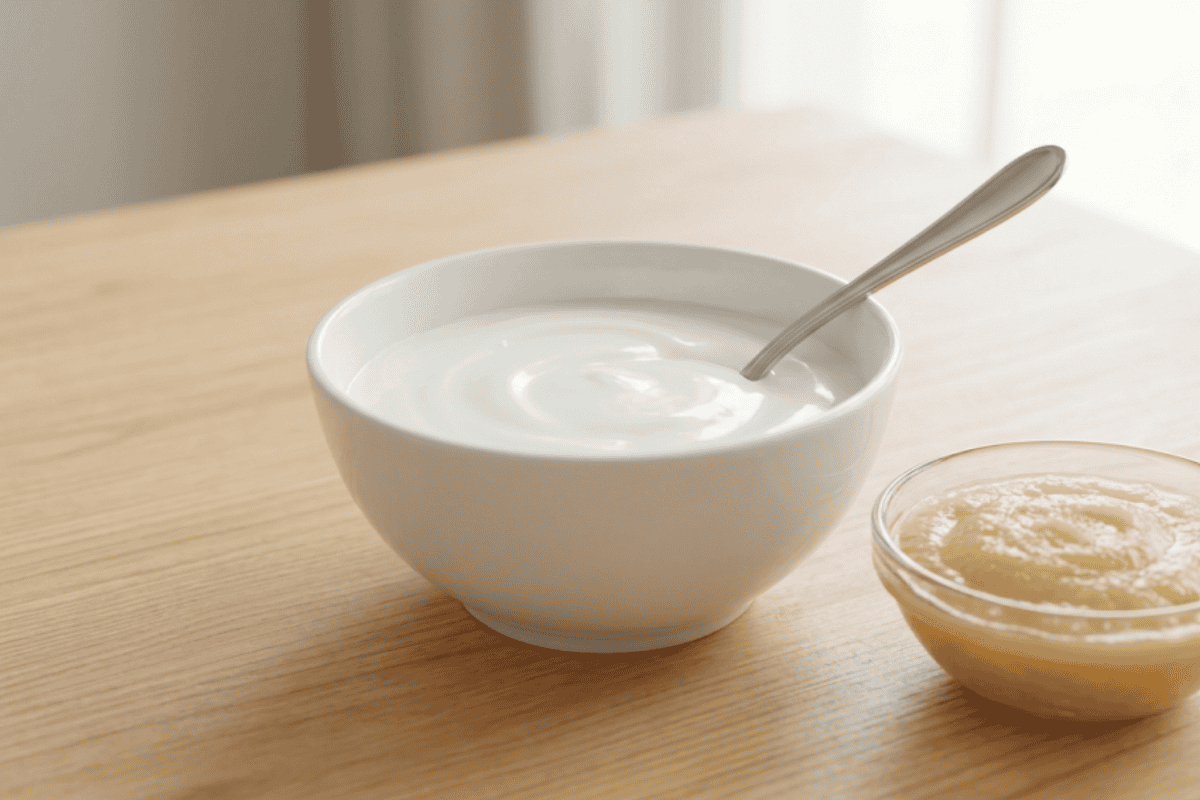
For the first day, stick to foods that require little or no chewing and can be eaten at room temperature or slightly cool. Smooth, spoonable options are ideal because they will not scrape the site or leave sharp fragments behind. Many patients do well with soft foods such as yogurt, applesauce, and blended soups that have cooled down. Try to chew on the opposite side of your mouth, and avoid very hot liquids, which can dissolve the clot before it stabilizes.
Best Soft Foods to Eat
These gentle choices give you nourishment without stressing the extraction site during the first two to three days:
- Plain yogurt, applesauce, and mashed bananas that are smooth and easy to swallow
- Mashed potatoes, well-cooked oatmeal, and soft scrambled eggs served warm, not hot
- Blended or pureed soups and broths once they have cooled to lukewarm
- Smoothies eaten with a spoon, plus soft cheeses and creamy nut butters
Foods to Avoid While You Heal
Just as important as what you eat is what you leave off your plate. The following can dislodge the clot, lodge in the socket, or irritate the wound:
- Crunchy or hard foods like chips, popcorn, nuts, and raw vegetables
- Chewy items such as steak, bagels, and sticky candy that pull at the site
- Spicy, acidic, or very hot foods that can sting and inflame the area
- Anything sipped through a straws, since the suction can pull the clot loose
Your Recovery Timeline at a Glance
Recovery is gradual, and your diet should follow the same curve. In the first 24 hours you want only smooth, cool foods. On days two and three you can add soft, warm foods like oatmeal and scrambled eggs. By days four through seven most people can handle semi-soft foods such as pasta and soft bread, and after about a week many patients return to a normal diet, easing back toward crunchy foods last. The table below sums up that progression so you can plan your meals with confidence.
| Timeframe | What You Can Eat | What to Avoid |
|---|---|---|
| First 24 hours | Smooth, cool foods: yogurt, applesauce, cooled blended soup | Straws, hot liquids, anything crunchy |
| Days 2 to 3 | Soft, warm foods: oatmeal, scrambled eggs, mashed potatoes | Spicy, acidic, and chewy foods |
| Days 4 to 7 | Semi-soft foods: pasta, soft bread, flaky fish | Nuts, chips, and tough meats |
| After 1 week | Most normal foods, reintroducing crunchy items last | Directly chewing on the healing site |
What About Dairy After a Tooth Extraction?
You may have heard that you should avoid dairy after an extraction, but the evidence is reassuring. A recent randomized controlled trial found no significant negative effect of dairy on oral wound healing, so cool yogurt and soft cheese remain perfectly good choices for most people. If dairy tends to upset your stomach when you are taking pain medication, simply lean on other soft options instead. As always, follow any specific instructions your dentist gives you based on your individual case.
Staying Nourished While You Heal
Good nutrition speeds recovery, so aim for soft foods that still deliver protein, vitamins, and calories rather than living on sugary treats. Start with the gentlest textures and progress to firmer foods as your comfort allows, a pattern that dental surgeons recommend for smooth healing. Staying hydrated with water is important too, just remember to sip from the cup rather than using a straw. If you want more ideas for tooth-friendly meals beyond your recovery week, our guide to smart nutrition is a helpful next read.
Why Choose Dentistry For You OKC
When you need a tooth removed in Oklahoma City, Oklahoma, the quality of your care shapes how comfortably you recover. Our team combines gentle technique with clear aftercare instructions so you always know what to eat and how to protect the socket. We take time to answer questions before and after your extraction, and we are here if a concern comes up during healing. Patients across the Oklahoma City area trust us because we treat every visit as a chance to make dentistry feel calmer and more approachable. Call our office if you have questions about an upcoming or recent extraction.
Conclusion
Knowing what to eat after a tooth extraction takes the guesswork out of recovery and helps you avoid painful setbacks. Keep meals soft and cool for the first day, work your way up through warm and semi-soft foods over the following week, and steer clear of straws, crunchy snacks, and very hot liquids until you are fully healed. Listen to your body, follow your dentist’s guidance, and give the socket the time it needs. If you are in Oklahoma City and want a dental team that supports you through every step of healing, schedule your visit with Dentistry For You OKC today.
Have Questions About Your Recovery? Contact Our OKC Team Today
Frequently Asked Questions
How long after a tooth extraction can I eat?
You can usually eat soft foods within a few hours of the procedure, once the numbness wears off and any bleeding has slowed. Stick to smooth, cool foods for the first 24 hours and avoid chewing near the extraction site. Most people feel comfortable eating a wider range of soft foods by the second or third day.
When can I eat solid food after a tooth extraction?
Many people can reintroduce semi-solid foods around days four to seven, then return to most normal foods after about a week. Progress gradually and add crunchy or hard foods last. If chewing still causes pain after a week, give the area more time before testing firmer textures.
What foods should I avoid after a tooth extraction?
Avoid crunchy foods like chips and nuts, chewy foods like steak and sticky candy, and spicy or acidic items that can irritate the wound. Very hot liquids and anything eaten through a straw should also be skipped in the early days. These can dislodge the protective blood clot and slow healing.
Why can’t you use a straw after a tooth extraction?
The suction created by drinking through a straw can pull the blood clot out of the socket. Losing that clot exposes the bone and can cause dry socket, a painful condition that delays healing. Sipping directly from a cup is the safer choice for the first several days.
What are the warning signs of dry socket?
Dry socket often causes a sudden increase in throbbing pain two to three days after the extraction, sometimes radiating to the ear. You may also notice a visible empty socket, an unpleasant taste, or bad breath. If you suspect dry socket, contact your dentist, since it is treatable and relief is usually quick.

Sorry, the comment form is closed at this time.