


14 Sep Why Preventive Dental Cleanings Matter More Than You Think
When life gets busy, a routine dental cleaning can be easy to put off. If your teeth feel fine and you aren’t experiencing pain, it may seem like there is no urgent reason to schedule an appointment.
But preventive dental cleanings are about much more than polishing your teeth. Regular cleanings help remove plaque and tartar that brushing and flossing can’t always eliminate, while routine dental exams give your dental team an opportunity to identify potential problems before they become more complicated.
Whether you have excellent oral hygiene or tend to struggle with plaque buildup, preventive dental care plays an important role in keeping your teeth and gums healthy.
Here’s why regular dental cleanings matter—and why waiting until something hurts isn’t the best approach to oral health.
What Is a Preventive Dental Cleaning?
A preventive dental cleaning is a routine appointment designed to help maintain your oral health and prevent dental problems.
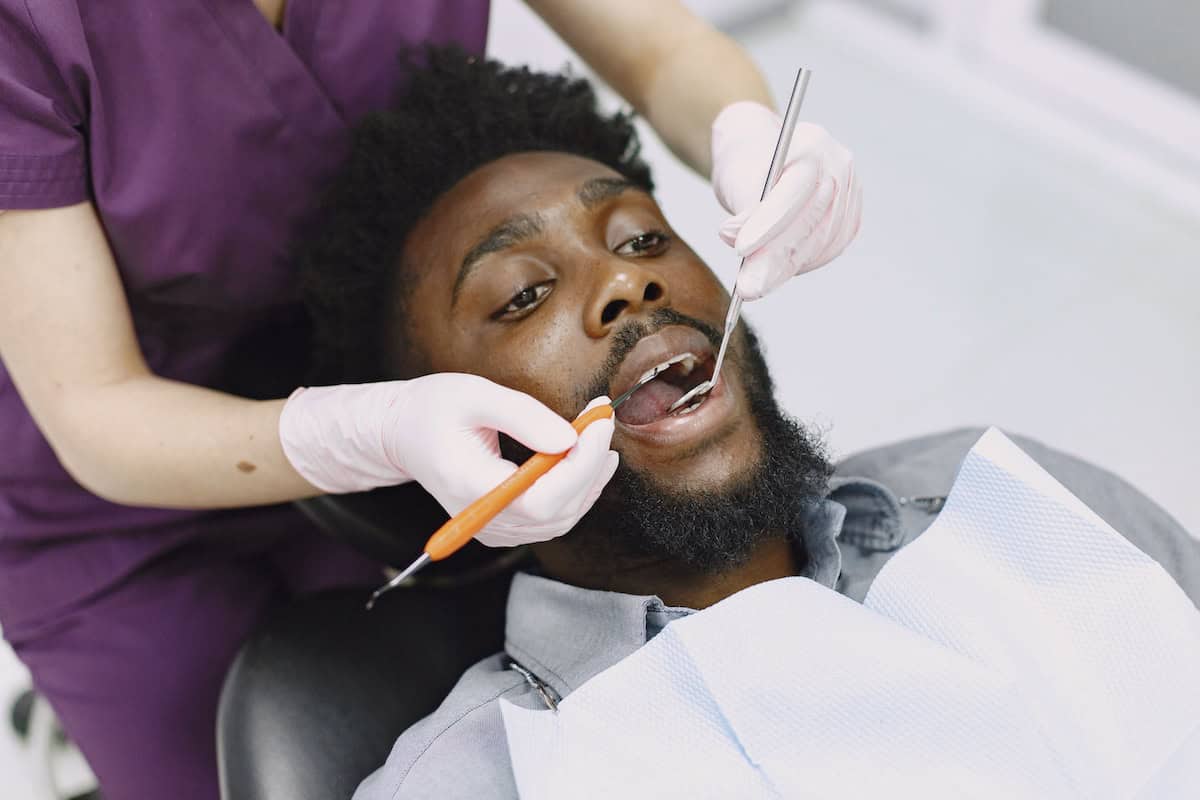
During a typical cleaning, a dental hygienist may remove plaque and tartar from your teeth, polish away surface buildup and stains, and assess the health of your gums. Your dentist may also perform an examination to look for signs of cavities, gum disease, enamel wear, or other concerns.
Depending on your individual needs, your dental team may also recommend dental X-rays, fluoride treatment, or other preventive services.
The goal isn’t simply to make your teeth feel clean when you leave the office. Preventive care helps your dental team monitor your oral health over time and address concerns before they have an opportunity to progress.
Plaque and Tartar Can Build Up Even With Good Brushing
You can have excellent brushing and flossing habits and still develop plaque buildup.
Plaque is a sticky film of bacteria that constantly forms on your teeth. Brushing twice a day and cleaning between your teeth can remove much of it, but some areas can be difficult to reach thoroughly.
When plaque isn’t removed, it can harden into tartar, also called dental calculus. Unlike plaque, tartar cannot be effectively removed with a regular toothbrush at home. It requires professional dental cleaning.
Tartar buildup can contribute to gum irritation and make it easier for additional plaque to accumulate around the teeth.
Preventive Cleanings Help Protect Your Gums
Healthy teeth aren’t the only reason to keep up with dental cleanings. Your gums are an important part of your overall oral health, too.
Plaque and tartar around the gum line can contribute to inflammation. One of the earliest signs may be gums that bleed when you brush or floss.
If gum inflammation isn’t addressed, it can progress into more serious periodontal problems.
Routine cleanings help control plaque and tartar buildup, while regular dental exams allow your dentist to monitor your gums for changes.
Cleanings Can Help Catch Cavities Early
Cavities don’t always cause pain right away.
In fact, early tooth decay may not produce noticeable symptoms at all. By the time a cavity becomes painful or starts interfering with eating, the problem may already be more advanced.
Regular dental visits allow your dentist to examine your teeth for signs of decay. Depending on your circumstances, dental X-rays may also help identify decay that isn’t visible during a routine examination.
Finding a cavity early may allow it to be treated before it becomes larger or more complicated.
This is one of the biggest benefits of preventive dentistry: you don’t have to wait for a problem to hurt before addressing it.
Dental Cleanings Can Help Prevent Bad Breath
Persistent bad breath, or halitosis, can have several causes, but bacteria and plaque buildup are common contributors.
Food particles and bacteria can collect along the gum line, between teeth, and on the tongue. If these areas aren’t cleaned effectively, unpleasant odors may develop.
Professional cleanings can remove accumulated plaque and tartar that contribute to odor. Your dental team can also help determine whether your bad breath may be related to another oral health concern.
Preventive Care Can Help Protect Your Enamel
Your tooth enamel is the hard outer layer that protects the inner portions of your teeth. Although enamel is extremely strong, it can be damaged by acids, excessive wear, and other factors.
During routine dental visits, your dentist can look for signs of enamel erosion, wear, or other changes. Preventive care isn’t one-size-fits-all. Your dental team can help you understand what your teeth need specifically.
Regular Visits Help Monitor Changes Over Time
One dental appointment provides a snapshot of your oral health. Regular appointments provide a much bigger picture.
When you visit the dentist consistently, your dental team can compare changes over time and monitor areas that may need additional attention.
This can be particularly helpful for tracking:
- Gum health
- Tooth wear
- Existing dental restorations
- Tooth sensitivity
- Changes in your bite
- Enamel erosion
- Areas prone to cavities
Consistent dental care makes it easier to identify patterns and address concerns early.
Preventive Dental Care Is Especially Important for Children
Children’s teeth and mouths change rapidly as they grow, making regular dental visits especially important.
Routine cleanings and exams allow the dental team to monitor developing teeth, evaluate oral hygiene, identify cavities, and provide age-appropriate guidance.
Dental visits can also help children learn how to take care of their teeth independently.
Parents can use these appointments as an opportunity to ask questions about brushing, flossing, fluoride, nutrition, thumb-sucking, mouthguards, and other aspects of their child’s oral health.
Establishing preventive dental habits early can help children understand that dental care is something they do regularly—not something they only seek when they have a problem.

What Happens If You Skip Dental Cleanings?
Skipping one appointment doesn’t necessarily mean you’ll develop a dental problem. However, consistently delaying preventive care can allow plaque, tartar, cavities, and gum inflammation to go unnoticed or untreated.
A common misconception is that you only need to visit the dentist when something hurts. Unfortunately, many oral health problems can develop without obvious symptoms.
By the time you notice pain, swelling, or significant sensitivity, you may need more extensive treatment.
Keeping up with preventive appointments can help your dental team identify and address potential issues earlier.
How to Get More From Your Preventive Dental Visits
Your dental cleaning is only one part of preventive oral care. What you do between appointments matters, too.
To support your oral health at home:
- Brush twice a day with fluoride toothpaste.
- Clean between your teeth daily with floss or another recommended interdental cleaner.
- Limit frequent sugary and acidic snacks and beverages.
- Drink plenty of water.
- Replace your toothbrush or electric toothbrush head regularly.
- Wear a mouthguard during recommended sports and activities.
- Tell your dentist about any changes in your teeth, gums, or mouth.
And don’t be afraid to ask questions during your appointment. Your dental team can often provide simple recommendations that make your daily routine more effective.
When to Schedule a Dental Visit
Even if you aren’t due for a routine cleaning, certain symptoms should prompt you to contact your dentist.
Make an appointment if you experience:
- Tooth pain or persistent sensitivity
- Bleeding or swollen gums
- Persistent bad breath
- A loose or damaged tooth
- Pain when chewing
- Changes in your bite
- A chipped or cracked tooth
- A sore or unusual area in your mouth that doesn’t heal
Don’t assume that a symptom will resolve on its own. Your dentist can determine what’s causing the problem and recommend the appropriate next steps.
Give Your Smile the Benefit of Preventive Care
Preventive dental cleanings may seem routine, but they play an important role in maintaining your teeth and gums for the long term. Professional cleanings remove plaque and tartar that can be difficult to eliminate at home, while routine exams help your dental team identify potential concerns early.
The biggest benefit may be what preventive care helps you avoid: unexpected dental problems, more complicated treatment, and unnecessary discomfort.
Your oral health doesn’t have to wait until something goes wrong. By keeping up with regular cleanings, practicing good habits at home, and communicating with your dental team about changes in your mouth, you can take a proactive approach to protecting your smile.
Schedule your next preventive dental cleaning and give your teeth and gums the care they need to stay healthy year after year.

Sorry, the comment form is closed at this time.