


17 Nov How to Prevent Tooth Sensitivity During Cold Weather
How to Prevent Tooth Sensitivity During Cold Weather
When temperatures drop, you may notice something uncomfortable happening to your teeth. A breath of cold air, a sip of ice water, or stepping outside on a chilly morning can trigger a sudden, sharp sensation. If this sounds familiar, you may be experiencing tooth sensitivity.
Cold weather can make sensitive teeth more noticeable, especially if your enamel is worn, your gums have receded, or you have an underlying dental issue. Fortunately, there are ways to protect your teeth and reduce discomfort throughout the colder months.
Understanding what causes tooth sensitivity and making a few adjustments to your daily routine can help you keep your smile comfortable all winter.
Why Do Teeth Become Sensitive in Cold Weather?
Tooth enamel is the hard outer layer that protects the inside of each tooth. Beneath the enamel is dentin, a layer containing tiny channels that connect to the tooth’s nerve.
When enamel wears down or gum tissue recedes, more dentin becomes exposed. Temperature changes can then stimulate the nerves inside the tooth, creating a brief, sharp pain.
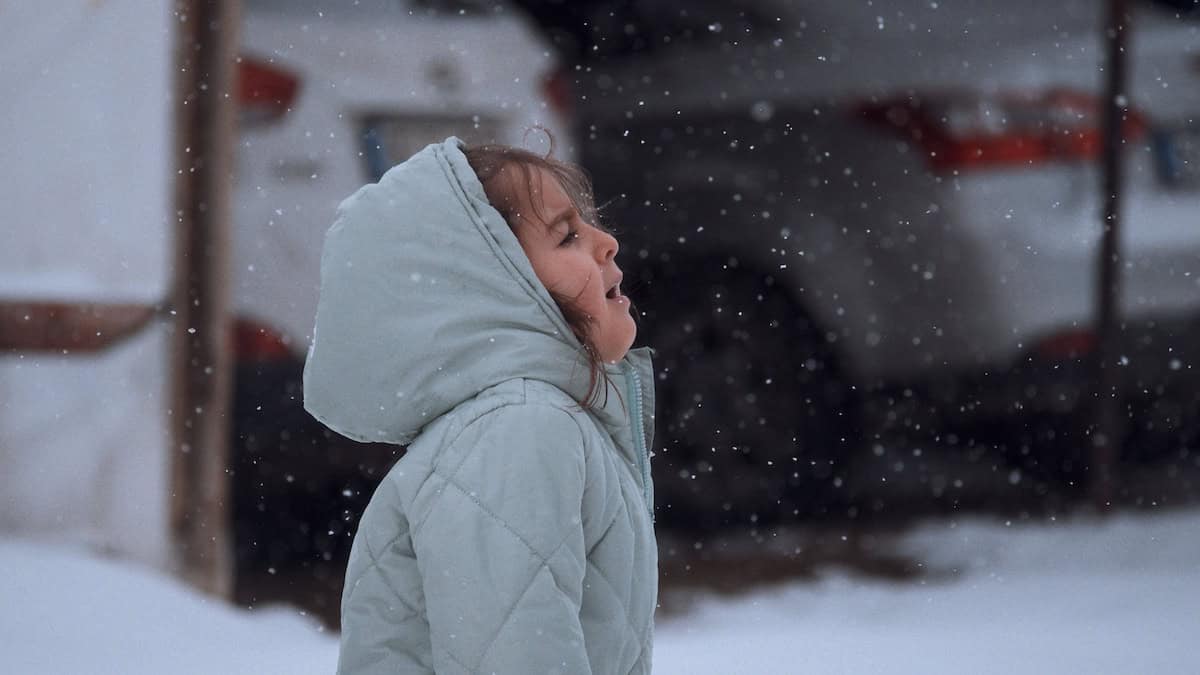
Cold air is a common trigger because breathing through your mouth exposes your teeth directly to lower temperatures. Drinking cold beverages or eating frozen foods can cause similar discomfort.
Cold weather does not necessarily cause tooth sensitivity on its own. Instead, it often makes an existing dental issue more noticeable. If your teeth are already sensitive, winter temperatures may bring that discomfort to your attention more frequently.

Common Causes of Tooth Sensitivity
Several dental conditions and everyday habits can contribute to sensitive teeth. Identifying the possible cause is an important first step toward finding relief.
Worn Tooth Enamel
Enamel protects your teeth from temperature changes, pressure, and everyday wear. However, it can gradually weaken from acidic foods and drinks, aggressive brushing, and teeth grinding.
When enamel becomes thinner, the sensitive dentin underneath is more vulnerable to outside air. Protecting your enamel is essential because it does not grow back once it is lost.
Receding Gums
Gum tissue helps protect the roots of your teeth. When gums recede, the root surfaces can become exposed.
Unlike the crown of a tooth, roots do not have the same protective enamel covering. This makes them more vulnerable to temperature changes and other irritants.
Gum recession can develop from gum disease, brushing too aggressively, or other factors. If you notice that your teeth appear longer than they used to, talk with your dentist.
Cavities and Damaged Fillings
Tooth decay can expose sensitive inner layers of a tooth, leading to discomfort when you eat or drink something cold. Old, worn, or damaged fillings may also leave areas of a tooth vulnerable to temperature changes.
Sensitivity that develops around one particular tooth should be evaluated rather than assumed to be a normal response to cold weather.
Teeth Grinding and Clenching
Grinding or clenching your teeth can gradually wear down enamel and put pressure on your teeth and jaw.
Some people grind their teeth while sleeping without realizing it. Morning jaw soreness, headaches, or increased tooth sensitivity may be signs of this habit. Your dentist can evaluate the signs and discuss whether a custom night guard may help.
7 Ways to Prevent Tooth Sensitivity During Cold Weather
You may not be able to avoid cold temperatures, but you can take steps to reduce the discomfort they cause. These habits can help protect your enamel, support healthy gums, and make sensitive teeth easier to manage.
1. Use Toothpaste Designed for Sensitive Teeth
One of the simplest ways to manage tooth sensitivity is to use toothpaste formulated for sensitive teeth.
These products contain ingredients that help reduce sensitivity by blocking pathways through the dentin or calming the response of the nerves inside the teeth. It may take consistent use over several days or weeks to notice improvement.
Look for a toothpaste with fluoride to help strengthen enamel and protect against cavities. If you have tried sensitive toothpaste without improvement, ask your dentist about other treatment options.
2. Brush Gently With a Soft-Bristled Toothbrush
Brushing too hard can contribute to enamel wear and gum recession, both of which can make teeth more sensitive.
Choose a soft-bristled toothbrush and use gentle, short strokes. Avoid scrubbing back and forth with excessive pressure.
Brush twice a day with fluoride toothpaste, paying attention to the gumline and hard-to-reach areas. Good brushing habits help remove plaque without unnecessarily irritating your teeth and gums.
3. Protect Your Teeth From Cold Air
Cold air can trigger sensitivity when it comes into direct contact with exposed dentin.
When spending time outside in cold weather, try breathing through your nose rather than your mouth when comfortable. You can also use a scarf or face covering to help warm the air before it reaches your mouth.
If you enjoy outdoor activities such as walking or running, these small adjustments may help reduce discomfort.
4. Limit Acidic Foods and Drinks
Acidic foods and beverages can gradually weaken tooth enamel, making sensitivity worse.
Common sources include citrus fruits, soda, sports drinks, vinegar-based foods, and certain fruit juices.
You do not necessarily need to eliminate these foods from your diet. Instead, limit frequent exposure and avoid slowly sipping acidic drinks throughout the day.
After consuming something acidic, rinse your mouth with water. Wait about 30 minutes before brushing so you do not scrub softened enamel.
5. Avoid Sudden Temperature Changes
If your teeth are sensitive, alternating between very hot and very cold foods or drinks may trigger discomfort.
For example, drinking ice water immediately after a hot beverage may cause a sharp sensation in exposed areas of your teeth.
Choose beverages at a comfortable temperature and avoid extreme temperature changes when possible. If even mild temperature changes cause pain, schedule a dental evaluation to determine the cause.
6. Stay Hydrated and Support Saliva Production
Saliva plays an important role in protecting your teeth. It helps wash away food particles, neutralize acids, and support the natural remineralization process.
Dry indoor air, certain medications, and breathing through your mouth can contribute to dry mouth during winter. When saliva production decreases, teeth may become more vulnerable to decay and irritation.
Drink water regularly throughout the day. Sugar-free gum may also help stimulate saliva production. If you frequently wake up with a dry mouth or notice ongoing dryness, mention it to your dentist.
7. Schedule Regular Dental Exams and Cleanings
Routine dental visits help identify the conditions that contribute to tooth sensitivity.
During an exam, your dentist can look for cavities, gum recession, worn enamel, damaged fillings, and signs of teeth grinding. Identifying these concerns early may help prevent more extensive problems later.
Professional cleanings also remove plaque and tartar that regular brushing and flossing cannot fully eliminate.
If you already experience tooth sensitivity, let your dentist know which teeth hurt and what triggers the discomfort. This information can help guide the examination and treatment recommendations.

When Should You See a Dentist for Sensitive Teeth?
Occasional sensitivity that happens briefly after eating or drinking something cold may not indicate a serious problem. However, persistent or worsening tooth sensitivity should not be ignored.
Schedule a dental appointment if you experience:
- Sensitivity that continues or becomes more frequent.
- Sharp pain in one specific tooth.
- Discomfort when biting or chewing.
- Pain that lingers after eating or drinking something hot or cold.
- Visible gum recession or changes around the gumline.
These symptoms can be associated with cavities, cracked teeth, gum disease, damaged fillings, or inflammation inside a tooth.
If you experience severe pain, facial swelling, fever, or other signs of infection, seek prompt dental care. Difficulty breathing or swallowing or rapidly spreading facial or neck swelling requires emergency medical attention.
Your dentist can determine whether the sensitivity is related to exposed dentin or another dental condition that needs treatment.
Keep Your Smile Comfortable All Winter
Tooth sensitivity can make everyday activities less enjoyable during cold weather, from taking a morning walk to enjoying your favorite seasonal drink. Fortunately, protecting your enamel, brushing gently, using toothpaste for sensitive teeth, and staying on top of routine dental care can help reduce discomfort.
If your teeth have become more sensitive as temperatures drop, do not assume you simply have to live with it until spring. Sensitivity can be a sign of an underlying dental concern, and addressing it early may help prevent more serious problems.
At Dentistry For You OKC, we want to help you maintain a healthy, comfortable smile in every season. If cold air or temperature changes are causing tooth pain, schedule an appointment with our team. We can evaluate your symptoms, identify possible causes, and help you find the right way to protect your teeth.

Sorry, the comment form is closed at this time.