

18 May The Truth About Overbrushing and How It Can Damage Your Teeth in Oklahoma City, OK
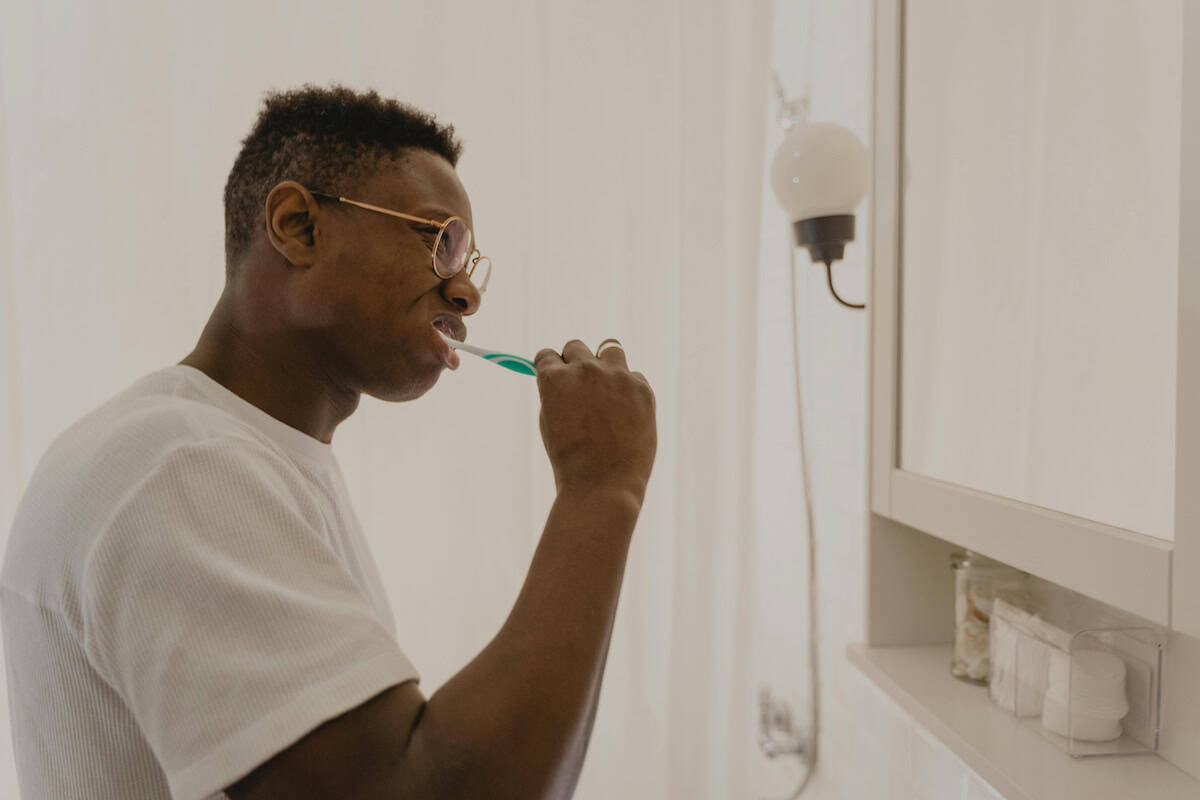
Brushing your teeth is one of the most important habits for maintaining a healthy smile. It helps remove plaque, prevent cavities, and keep your breath fresh. But like many good things, it is possible to have too much of it—or at least do it too aggressively.
Overbrushing is more common than most people realize, and it can quietly lead to tooth sensitivity, gum recession, and enamel wear over time. Many patients are surprised to learn that brushing harder or more often does not necessarily mean cleaner teeth. In fact, it can sometimes do more harm than good.
In this article, we’ll break down what overbrushing is, how it affects your teeth and gums, the warning signs to watch for, and how to build a routine that protects your smile instead of damaging it.
What Is Overbrushing?
Overbrushing doesn’t just mean brushing too many times a day—it also refers to brushing too aggressively or using the wrong technique. This can include:
- Brushing more than 3 times per day unnecessarily
- Applying too much pressure while brushing
- Using a hard-bristle toothbrush
- Scrubbing back and forth with force instead of gentle circular motions
- Brushing immediately after consuming acidic foods or drinks
While the intention is usually good, overbrushing often stems from the belief that harder equals cleaner. Unfortunately, teeth and gums are more delicate than many people realize.
How Overbrushing Damages Your Teeth
To understand why overbrushing is harmful, it helps to look at the structure of your teeth and gums. Your enamel—the outer protective layer of your teeth—is the hardest substance in the human body, but it is not indestructible. Your gums are even more sensitive and can easily become irritated with too much force.
Enamel Wear
When you brush too aggressively or too often, you can slowly wear down enamel. Unlike other tissues in the body, enamel does not regenerate. Once it is gone, it does not grow back. Over time, this wear can lead to:
- Increased tooth sensitivity
- A dull or yellow appearance (as underlying dentin shows through)
- Greater risk of cavities
Gum Recession
One of the most common effects of overbrushing is gum recession. This happens when the gum tissue slowly pulls away from the tooth, exposing the root surface. Exposed roots are more vulnerable to:
- Sensitivity to hot and cold
- Decay
- Root damage
Gum recession is also permanent, though it can be managed with treatment and improved habits.
Tooth Abrasion
Aggressive brushing can create small grooves or notches near the gumline. This condition is called abrasion and is often caused by a combination of pressure and improper brushing technique. These grooves can:
- Trap bacteria
- Increase sensitivity
- Weaken tooth structure over time
Signs You May Be Overbrushing
Many people don’t realize they are brushing too hard until symptoms appear. Here are some common warning signs:
- Tooth sensitivity, especially to cold foods or drinks
- Gums that look red, shiny, or receding
- Notches or indentations near the gumline
- Bleeding gums (even without gum disease)
- Brushing that feels “satisfying” only when done with force
If you recognize any of these signs, it may be time to reassess your brushing technique rather than increasing effort.
The Myth: “Harder Brushing = Cleaner Teeth”
One of the biggest misconceptions in oral care is that more pressure equals better cleaning. In reality, plaque is soft and can be removed with gentle, consistent brushing.
Applying more force does not improve cleaning—it only increases the risk of damage. The goal of brushing is not to scrub your teeth clean, but to gently disrupt and remove plaque biofilm from all surfaces. A soft-bristled toothbrush used correctly is far more effective than a hard brush used aggressively.
The Right Way to Brush Your Teeth
Proper technique is just as important as frequency. Here’s what dentists typically recommend:
Use a soft-bristle toothbrush
Soft bristles clean effectively without damaging enamel or gums.
Brush gently at a 45-degree angle
Aim the brush toward the gumline and use small circular motions.
Brush for two minutes
Divide your mouth into quadrants and spend about 30 seconds in each.
Avoid scrubbing back and forth
Aggressive horizontal scrubbing is one of the leading causes of enamel wear.
Don’t brush immediately after acidic foods
After consuming citrus, soda, or wine, wait about 30 minutes before brushing to avoid damaging softened enamel.
How Often Should You Brush?
For most people, brushing twice a day is ideal—once in the morning and once before bed. In some cases, a midday brush may be helpful, especially after meals, but more is not always better. Brushing too frequently can increase wear on enamel and gums, especially if pressure is not controlled. Quality matters far more than quantity.
How Overbrushing Affects Sensitive Teeth
If you already experience tooth sensitivity, overbrushing can make it worse. As enamel thins or gums recede, the underlying dentin becomes more exposed. This layer contains tiny tubules that lead directly to the nerve, making teeth more reactive to temperature and pressure.
Over time, this sensitivity can become more frequent and noticeable if the underlying cause isn’t addressed. It may also start to interfere with everyday activities like eating, drinking, or even breathing in cold air. That’s why identifying and adjusting brushing habits early is so important for long-term comfort.
Common triggers include:
- Cold drinks or ice cream
- Hot coffee or tea
- Sweet or acidic foods
- Even cold air in some cases
Switching to a toothpaste designed for sensitivity and adjusting brushing habits can significantly reduce discomfort over time.
How to Reverse the Damage (or Prevent It From Getting Worse)
While enamel loss and gum recession cannot be reversed naturally, further damage can absolutely be prevented—and symptoms can often be improved. Here’s what helps:
- Switching to a soft-bristle toothbrush
- Using a gentle, non-abrasive toothpaste
- Practicing light pressure brushing
- Treating sensitivity early with fluoride or desensitizing products
- Visiting your dentist regularly for monitoring
Building these habits into your daily routine can significantly reduce sensitivity and help protect vulnerable areas of your teeth. Over time, consistency is key—small adjustments made now can prevent more serious issues from developing later.
Your dentist may also recommend treatments like fluoride applications or protective coatings for exposed root surfaces if needed.
When to Talk to Your Dentist
It’s a good idea to schedule a dental visit if you notice:
- Increasing tooth sensitivity
- Visible gum recession
- Bleeding that continues despite gentle brushing
- Rough or notched areas near the gumline
- Concerns about your brushing technique
Your dental team can evaluate whether overbrushing is contributing to the issue and help you adjust your routine before more serious damage occurs.
Finding the Right Balance
Good oral hygiene is all about balance. Brushing too little can lead to plaque buildup, cavities, and gum disease. Brushing too aggressively can lead to enamel wear and gum recession. The goal is consistency paired with gentle technique.
Think of brushing as care—not scrubbing. Your teeth are strong, but they are not meant to withstand forceful abrasion multiple times a day. With the right habits, you can keep your smile clean, healthy, and protected for the long term.
Ready to Brush Smarter, Not Harder?
Overbrushing is a simple habit that can quietly cause long-term damage if left unchecked. The good news is that it’s easy to correct once you know what to look for. Small changes in pressure, technique, and tools can make a big difference in protecting your teeth and gums.
If you’re unsure whether your brushing habits are helping or harming your smile, your dentist can guide you toward a routine that keeps your mouth healthy without causing unnecessary wear. A healthy smile isn’t about doing more—it’s about doing it right.
Frequently Asked Questions
Can overbrushing really damage your teeth?
Yes, brushing too hard or too often can wear down enamel and cause gum recession over time. Since enamel doesn’t grow back and receded gums don’t return on their own, the damage is permanent.
How do I know if I’m brushing too hard?
Common signs include tooth sensitivity, receding or bleeding gums, and small notches near the gumline. Frayed or flattened toothbrush bristles within a few weeks of use are also a strong indicator.
Is it bad to brush your teeth 3 times a day?
Brushing three times a day isn’t harmful on its own, but it can cause problems if done with too much pressure or a hard-bristle brush. For most people, twice a day with proper technique is enough to maintain healthy teeth and gums.
Should I use a hard or soft toothbrush?
A soft-bristle toothbrush is recommended because it cleans effectively without damaging enamel or irritating gums. Hard bristles don’t clean better and often contribute to abrasion and recession.
Why shouldn’t I brush right after eating?
Acidic foods and drinks temporarily soften your enamel, so brushing immediately afterward can wear it down faster. Waiting about 30 minutes allows your saliva to neutralize the acid and re-harden the enamel.

Sorry, the comment form is closed at this time.