

19 Oct What to Do If You Have a Sudden Toothache or Dental Emergency
A sudden toothache can happen at the worst possible time. You might wake up with throbbing pain, chip a tooth while eating, or experience a dental injury during sports. Whatever the cause, dental pain can make it difficult to eat, sleep, or focus on your day.
Knowing what to do during a dental emergency can help you manage discomfort, protect your teeth, and determine how quickly you need professional care. Some problems can wait for a scheduled appointment, while others require immediate attention.
What Counts as a Dental Emergency?
A dental emergency involves a problem with your teeth, gums, or mouth that requires prompt attention to relieve significant pain, control bleeding, prevent further damage, or address a possible infection.
Common dental emergencies include:
- Sudden or severe tooth pain
- A knocked-out permanent tooth
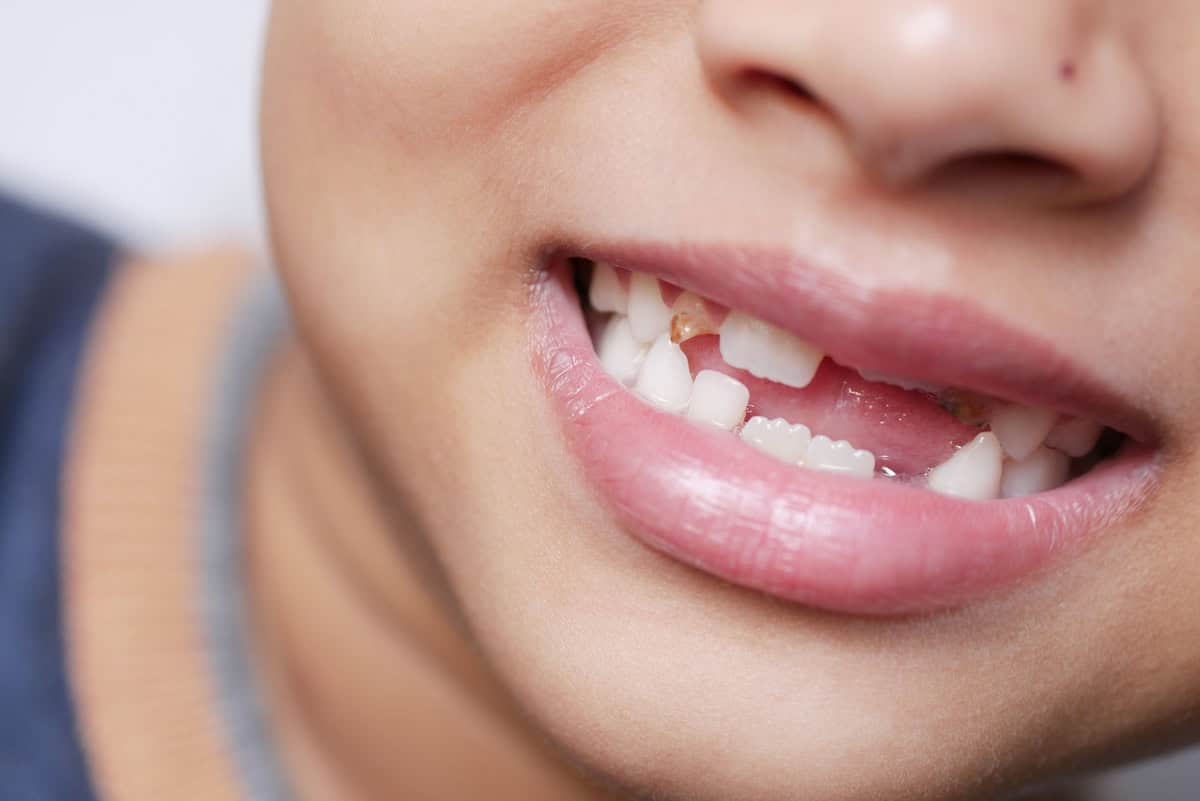
- A cracked or broken tooth
- Swelling in the gums, jaw, or face
- A suspected dental abscess
- Uncontrolled bleeding after an injury
- A damaged filling or crown causing significant pain.
If you’re unsure how serious your symptoms are, contact your dentist for guidance. They can help you determine whether you need an urgent appointment or emergency medical care.

What to Do If You Have a Sudden Toothache
A sudden toothache can result from tooth decay, a cracked tooth, gum inflammation, or an infection. Even if the pain starts unexpectedly, the underlying problem may have been developing for some time.
If you develop a toothache, take these steps while arranging dental care.
1. Rinse Your Mouth With Warm Water
Gently rinse your mouth with warm water to clear away food particles and debris. If something is stuck between your teeth, carefully floss around the area. Avoid using sharp objects that could injure your gums or damage the tooth.
2. Apply a Cold Compress
If your cheek or jaw is swollen, apply a cold compress to the outside of your face for short intervals. This may help reduce swelling and temporarily ease discomfort. Avoid placing ice directly against your teeth or gums.
3. Avoid Foods That Trigger Pain
Very hot, cold, sweet, or hard foods may worsen tooth pain. Choose softer foods and chew on the opposite side of your mouth until a dentist can examine the tooth.
4. Use Pain Relief Safely
Over-the-counter pain relievers, such as ibuprofen or acetaminophen, may help when used according to the product label and your healthcare professional’s advice. Consider your medical history and other medications before taking them.
Never place aspirin directly on a tooth or against your gums, as it can damage the surrounding tissue.
5. Contact Your Dentist
Even if the pain improves, arrange an evaluation to identify the cause. Seek prompt care if the pain is severe, persistent, or accompanied by swelling or fever.
What to Do If You Chip or Break a Tooth
A chipped or broken tooth can result from biting something hard, falling, playing sports, or experiencing an accident. The urgency depends on the extent of the damage and whether the inner tissues are affected.
If you break a tooth:
- Rinse your mouth gently with warm water.
- Save any broken pieces in a clean container and bring them to your appointment.
- Apply a cold compress if swelling develops.
- Avoid chewing on the damaged tooth.
- Contact your dentist as soon as possible.
A small chip may cause little discomfort, but a deeper fracture can expose sensitive inner layers and increase the risk of infection. Severe pain, significant bleeding, or facial trauma may require urgent care.
What to Do If a Permanent Tooth Gets Knocked Out
A knocked-out permanent tooth is a time-sensitive dental emergency. Getting professional care immediately can improve the chance of saving it.
Follow these steps:
- Find the tooth. Pick it up by the crown, the visible part of the tooth, rather than touching the root.
- Rinse it gently if needed. Use milk, saline, or clean water briefly. Do not scrub the tooth or use soap or chemicals.
- Reinsert it if possible. If it is a permanent tooth and you can easily reposition it, gently place it back in its socket without forcing it. Bite softly on clean gauze to hold it in place.
- Keep it moist. If you cannot reinsert it, place it in milk or a tooth-preservation solution.
- Get emergency dental care immediately. Call the dental office while arranging transportation, if possible.
Never reinsert a knocked-out baby tooth. A dentist should evaluate the injury instead.
What to Do If You Suspect a Dental Abscess
A dental abscess is a pocket of pus caused by a bacterial infection. It can develop around a tooth’s root or in the gums and may lead to serious complications if left untreated.
Possible symptoms include:
- Persistent or throbbing tooth pain
- Swelling in the gums, face, or jaw
- A pimple-like bump on the gums
- A bad taste or drainage in the mouth
- Fever or pain when chewing
Contact your dentist urgently if you suspect an abscess. Treatment may involve draining the infection or treating or removing the affected tooth. Antibiotics may be appropriate in certain situations, but they do not replace necessary dental treatment.
Seek emergency medical care immediately if you have difficulty breathing or swallowing, rapidly spreading facial or neck swelling, or swelling around the eye. These symptoms can indicate a serious infection.
Do not attempt to pop or drain an abscess yourself.

When Should You Go to the Emergency Room?
A dentist is generally the best starting point for toothaches, broken teeth, and other dental problems. However, some symptoms require emergency medical attention.
Seek immediate care for:
- Difficulty breathing or swallowing
- Rapidly increasing swelling in the mouth, face, or neck
- Severe facial trauma or a suspected jaw fracture
- Bleeding that will not stop
- A dental injury accompanied by loss of consciousness or another serious injury
An emergency department can stabilize serious complications, but you may still need follow-up treatment from a dentist.
What Not to Do During a Dental Emergency
When you’re in pain, it’s tempting to try anything that might bring relief. However, some home remedies can make the problem worse.
Avoid these common mistakes:
- Ignoring persistent pain: Symptoms may temporarily improve even when an underlying problem remains.
- Applying aspirin directly to a tooth: This can burn or irritate gum tissue.
- Using sharp tools: Never dig into a tooth or gum to remove debris.
- Taking leftover antibiotics: The wrong medication may not treat the problem appropriately.
- Delaying care for a knocked-out tooth: Waiting can reduce the chance of saving it.
- Trying to treat an infection at home: A suspected abscess needs professional evaluation.
Home care may help manage symptoms temporarily, but it cannot replace dental treatment when an emergency is possible.
How to Reduce Your Risk of Dental Emergencies
Not every emergency can be prevented, but good oral hygiene and a few practical precautions can reduce your risk of dental injuries and common dental problems.
Protect your teeth by:
- Brushing twice daily with fluoride toothpaste.
- Cleaning between your teeth every day.
- Keeping up with routine dental exams and cleanings.
- Wearing a properly fitted mouthguard during sports when appropriate.
- Avoiding chewing ice, hard candy, and other hard objects.
- Addressing cavities, damaged fillings, and cracked teeth promptly.
- Asking your dentist about protection if you grind or clench your teeth.
Routine dental visits can help identify concerns before they develop into painful or urgent problems.
Get Dental Care When Something Doesn’t Feel Right
A sudden toothache or dental injury can be stressful, especially when you’re unsure whether it can wait. Pay attention to your symptoms, avoid actions that could worsen the problem, and contact a dental professional for guidance.
Rinsing with warm water, applying a cold compress, and using appropriate pain relief may help while you arrange care. However, severe pain, swelling, suspected infection, and dental injuries may require prompt treatment. Difficulty breathing or swallowing and rapidly spreading swelling require emergency medical attention.
Getting the right care early can help protect your teeth, relieve discomfort, and reduce the risk of complications. If you experience a sudden toothache, a broken tooth, or another urgent dental concern, contact us immediately to discuss your symptoms and determine your next steps.

Sorry, the comment form is closed at this time.